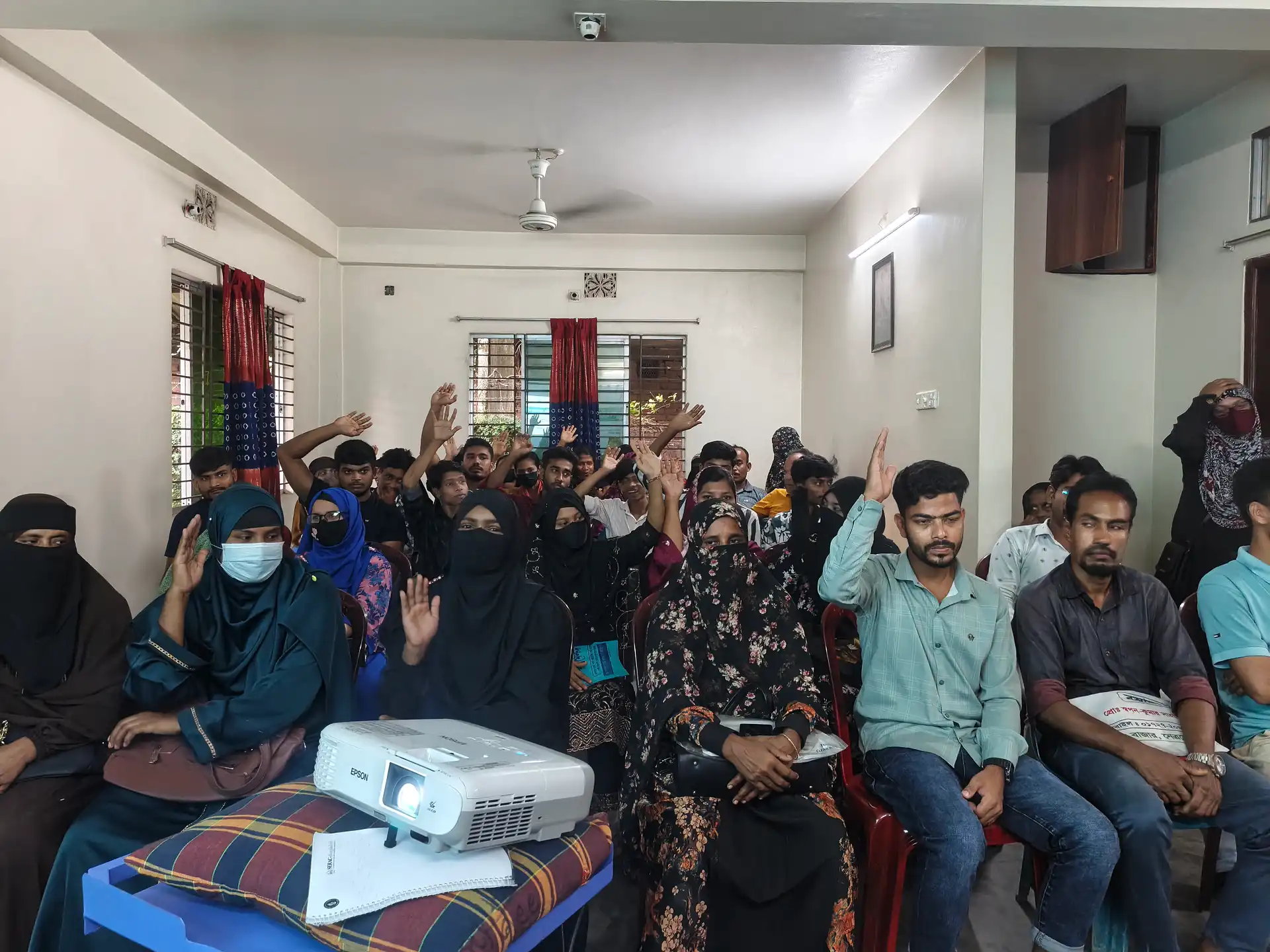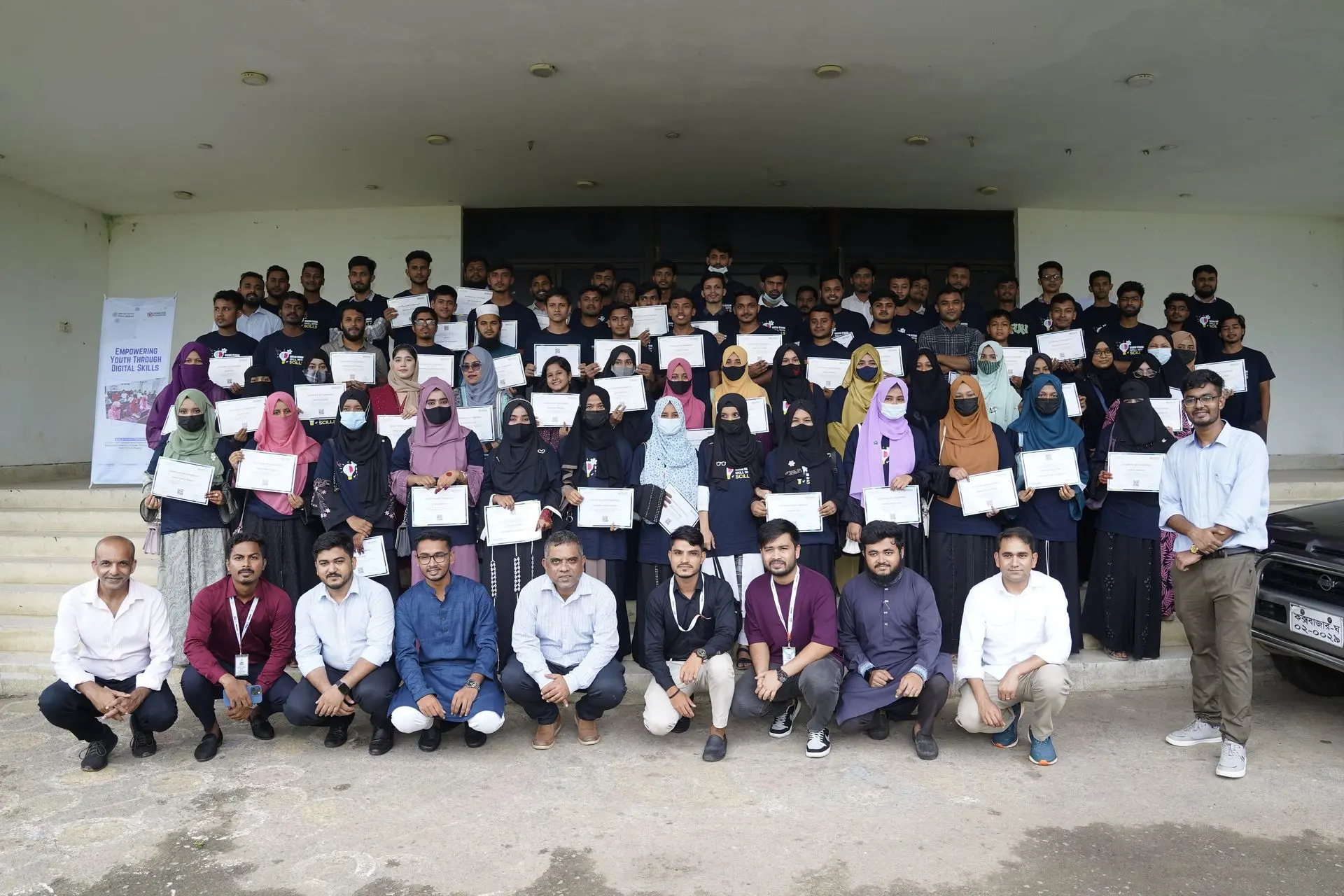
DHAKA, December 29, 2025: Shattering the long-standing perception that disability inclusion is a matter of social welfare, industry leaders and advocates gathered at the Six Seasons Hotel, Gulshan, for a high-level roundtable titled “Inclusive Workforce Transformation: Unlocking Opportunity for the Visually Impaired Community in the RMG Sector.” Organized by the Songjog Foundation, the event served as a call to action for Bangladesh’s Ready-Made Garment (RMG) sector to recognize the visually impaired community as a reservoir of professional merit and untapped economic potential.
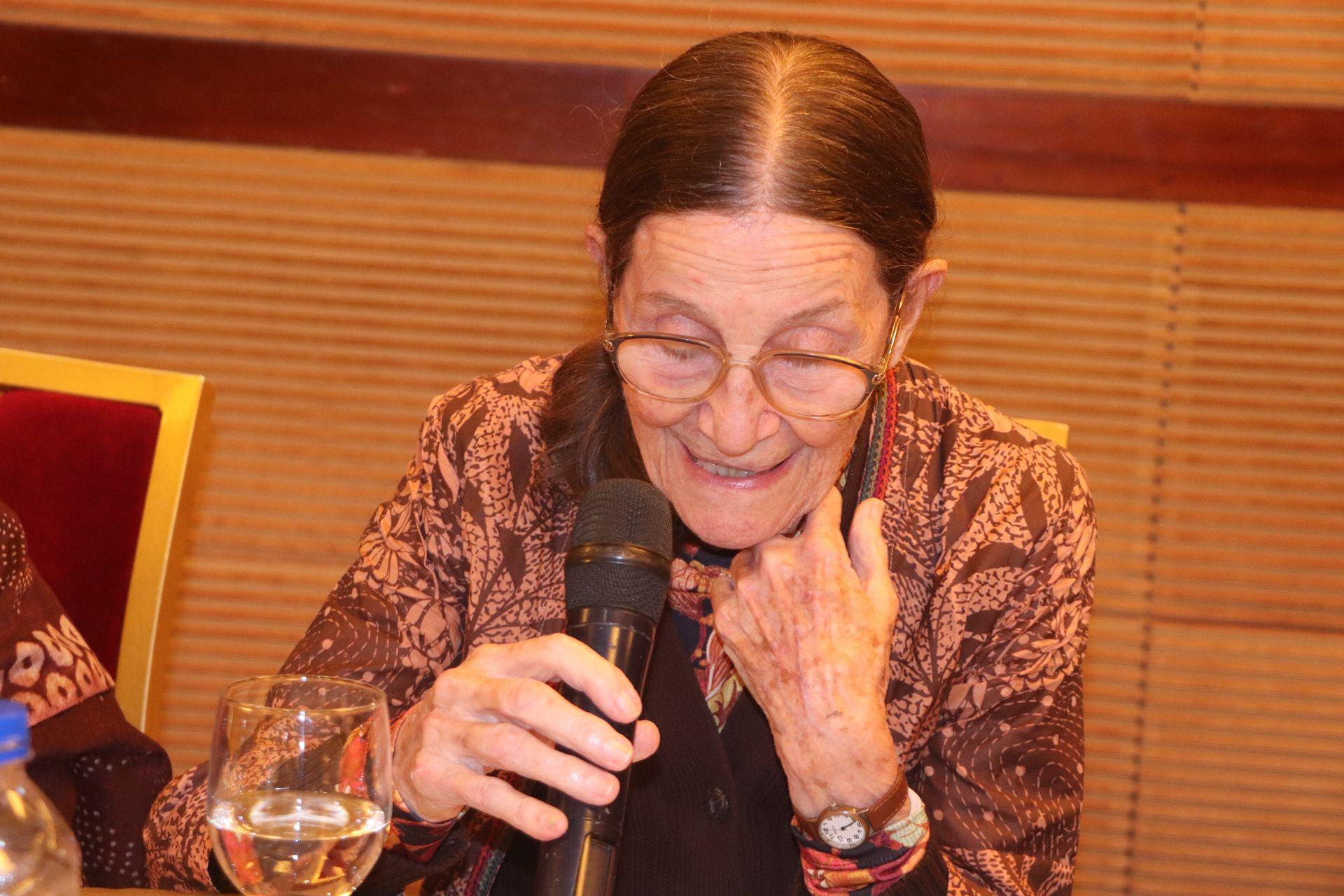
The session was headlined by Dr. Valerie Taylor, Founder of CRP and a legendary figure in disability rehabilitation. In a stirring address, Dr. Taylor reminded the audience that "Inclusion is not an act of charity; it is a fundamental right. When we hire based on capability rather than disability, we aren't just changing one life, we are strengthening the fabric of our entire society."
This sentiment was echoed by the Directors of Songjog Foundation, who emphasized the need to align the specific skills of the visually impaired with the operational needs of the RMG sector to unlock a massive, underutilized talent pool.
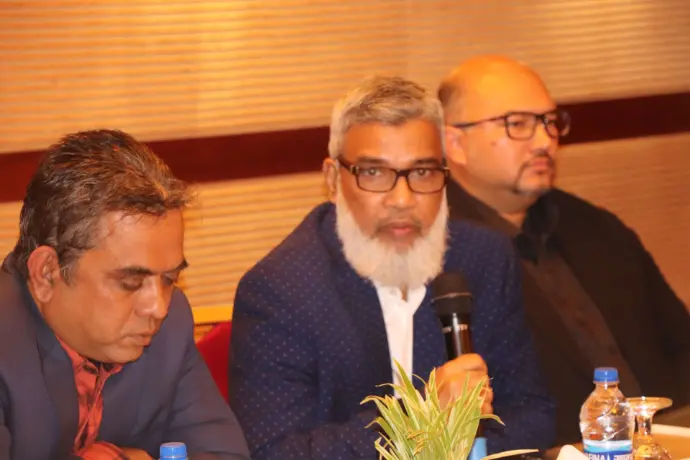
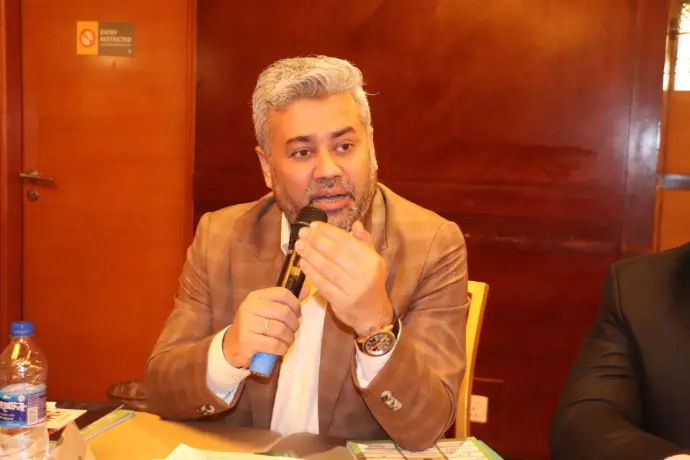
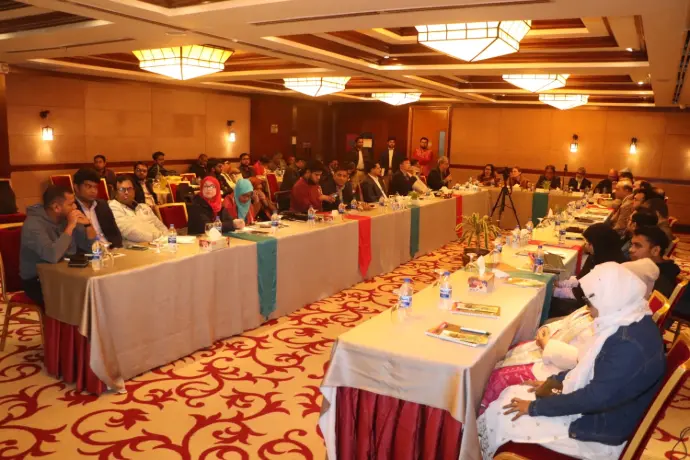
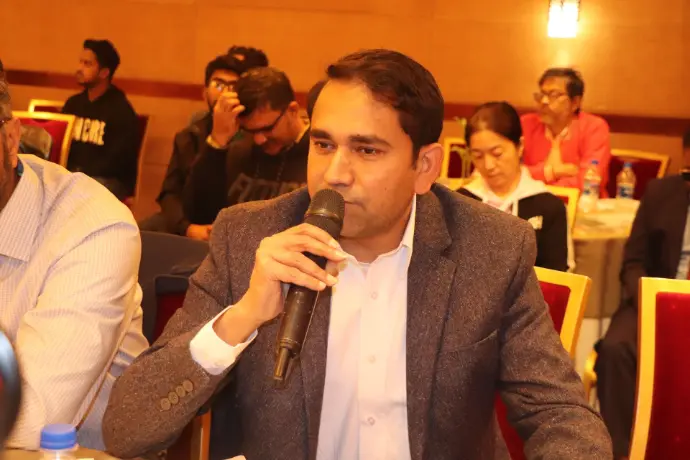
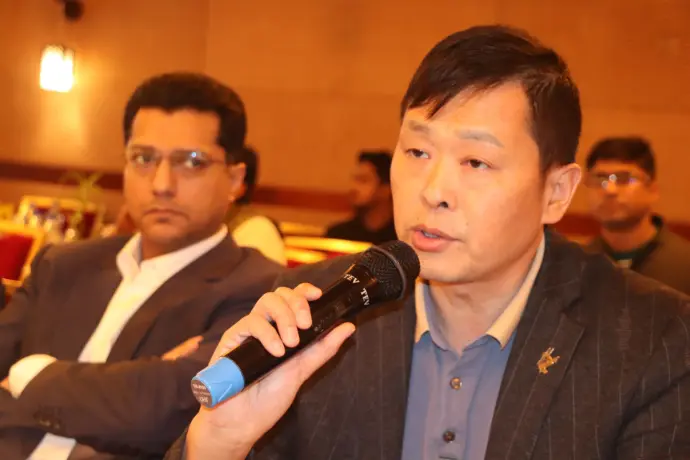
The dialogue moved beyond ethics to the strategic and economic advantages of inclusive hiring. Representatives from BGMEA and BGBA noted that global buyers are no longer viewing disability inclusion as optional. Sarwar Hossain of Marks & Spencer Plc revealed that the brand already employs 4,300 individuals with disabilities globally, noting that factories with structured inclusion frameworks are viewed more favourably in international supply chains.
Key strategic insights shared included:
- Fiscal Incentives: Speakers highlighted the government’s 5% tax rebate for organizations where 10% of the workforce consists of persons with disabilities.
- Role Identification: Ahmed Javed Jamal (Songjog Foundation/Silkflex) and Mohammad Monower Hossain (TEAM Group) stressed the importance of structured job assessments to place individuals in roles like quality inspection, light operations, and communication-based functions.
- Accessible Design: Tim Zahid Hossain (Shin Shin Group) advocated for integrating accessibility into the design phase of new infrastructure to avoid costly future retrofitting.
The most poignant moments of the roundtable came from those with lived experience. Vashkar Bhattacharjee, a consultant at a2i, shared his journey from being unable to secure a government job despite an international education to becoming a leader in accessibility innovation. His story, alongside a delegation of high-achieving graduates from Dhaka, Chittagong, and Jahangirnagar Universities, served as living proof that potential is limitless when barriers are removed.
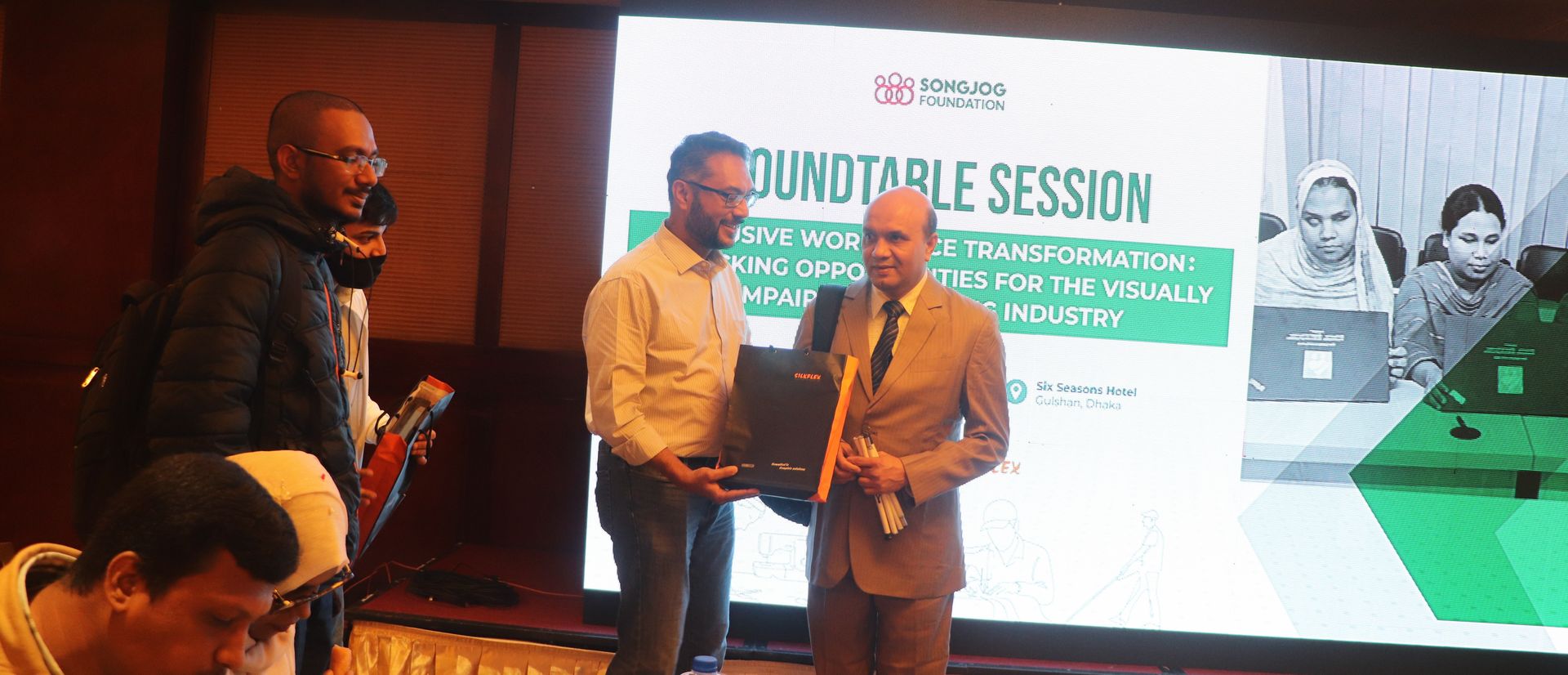
Abdullah Al Masum (Indochine International) and Ziaur Rahman (Hameem Group) further noted that training and adaptive programs are the bridges that turn "disability" into "productivity," particularly in roles like helpline management and textile manufacturing.
The event concluded with a collective commitment to develop a structured policy roadmap and a centralized database to streamline inclusive hiring. As Mohammed Sohel (BGMEA) and A.K.M. Saifur Rahman Farhad (BGBA) noted, the responsibility begins at the family level and extends to the factory floor, requiring a synergy between brands, policymakers, and media to celebrate these successes.
The roundtable featured a distinguished list of participants, including Arc. Jalal Ahmed (Chairman, Songjog Foundation), Dr. Syed Samsul Amin (President, Songjog USA), and decision makers from Urmi Group, Centro Tex, Knit Asia, Majumder Group, Silkflex Bangladesh, Shin Shin Group, Bengal CKD, Hameem Group, Fakhir Group, Team Group, Indochine Bangladesh, BASIS, and NGO community leaders.