In Nabinagar, Savar, Mohammad Rafiq spent six decades building a life before he decided, at 60, to build something entirely new: his own business. At an age when many people expect to slow down or to lean on grown children for support, Rafiq made a different choice. He wanted to earn his own income, on his own terms, for as long as he could, and he was willing to start from the very beginning, at a keyboard he had never touched before, to do it.
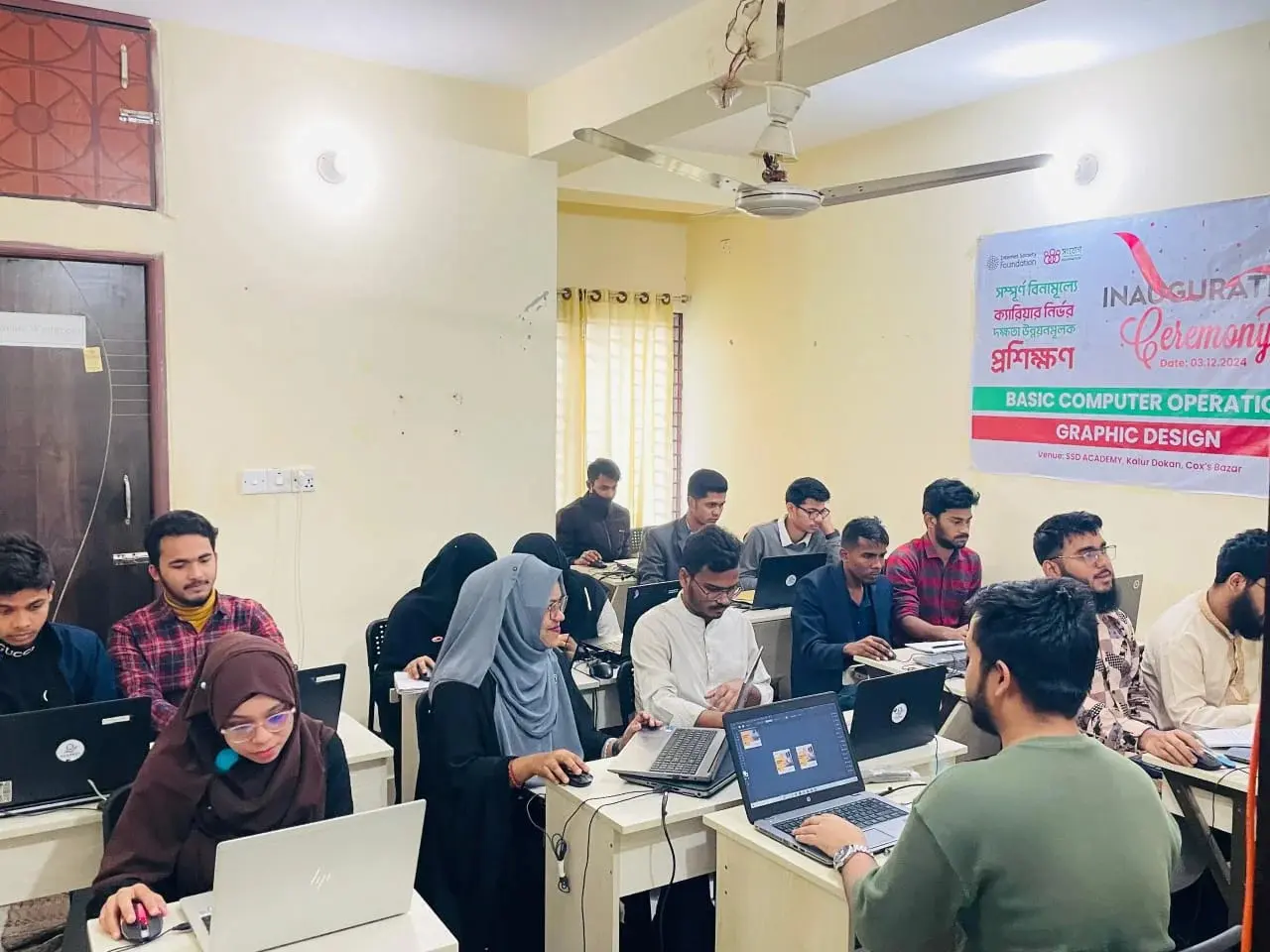
That decision led him to a Basic Computer Operations course offered by Songjog Foundation in Nabinagar, Savar.
A Fresh Start at 60
Not depending on others was the whole point for Rafiq. In many communities, a 60-year-old is expected to have already settled into retirement, relying on family for day-to-day needs and treating new skills as something for the next generation to worry about. Rafiq wanted something different: the ability to support himself, on his own steam, regardless of what stage of life he happened to be in. Age, to him, was not a reason to stop planning for the future; it was simply the point he happened to be starting from.
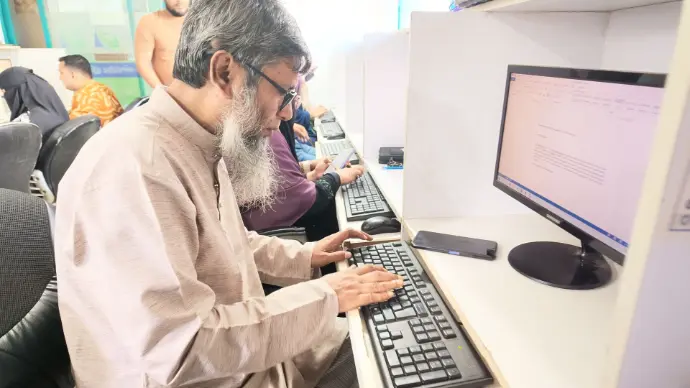
When he heard about the course, he enrolled not as a hobby, but as a serious plan for a new income. Learning to use a computer for the first time at 60 meant starting from zero on skills that younger trainees might take for granted: typing, using basic software, formatting documents, printing. Rafiq treated it like any serious trainee would: showing up, practicing, asking questions, and completing the course successfully.
From Classroom to Business
Completing the course was not the end goal for Rafiq. It was the starting capital for a business. Soon after finishing his training, he opened a small computer services shop in Nabinagar, offering composing and document formatting services, official document printing, and help preparing job applications, resumes, and profiles for students and job seekers in his area.
It is the kind of work that sounds modest from the outside and is, in practice, essential. Students filling out admission forms, job seekers who need a properly formatted resume, families who need an official document typed and printed correctly all of it depends on someone in the community who knows how to use a computer well and is willing to help. In Nabinagar, that person is now Mohammad Rafiq. His shop has become a small but genuine piece of local infrastructure: the place people go when a form needs to be right, a document needs to be legible, and a deadline is close.

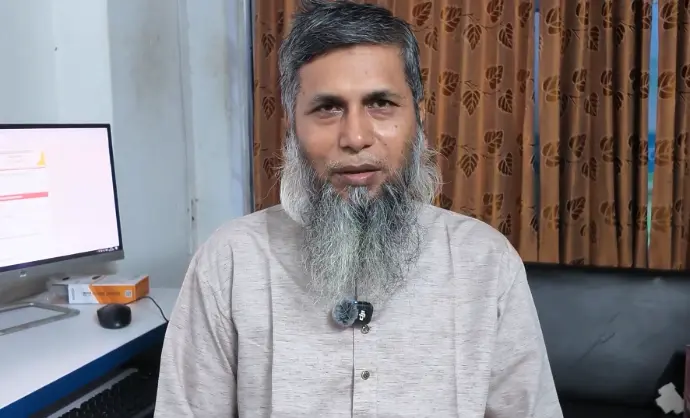
"Age is just a number; if you have the will, many things are possible. That's why I took this training as a challenge, and Alhamdulillah, I succeeded. Our youth should also focus on building real skills, instead of being so fixated on finding a job."
— Mohammad Rafiq
Self-Sufficient, on His Own Terms
Today, Rafiq runs his business independently and is fully self-sufficient, supporting himself through the skills he built in a single training course, applied consistently, one customer at a time. What makes his story worth telling is not just the income he now earns. It is what his choice represents: that digital literacy and self-employment are not only for the young, and that starting over at 60 can be a genuinely practical plan, not just an inspiring idea.
There is also a quieter kind of impact here. Every time a neighbor in Nabinagar sees a 60-year-old running a computer services shop, the idea of who belongs in a digital skills classroom shifts a little. Rafiq did not set out to prove a point about lifelong learning; he set out to earn a living. But the two ended up being the same thing.
Why Rafiq's Story Matters
Digital skills programs are often, understandably, framed around young people building their first careers. Mohammad Rafiq's story is a reminder that the same basic computer skills- typing, formatting, printing, preparing documents, can just as easily become a lifeline for someone starting a second career later in life.
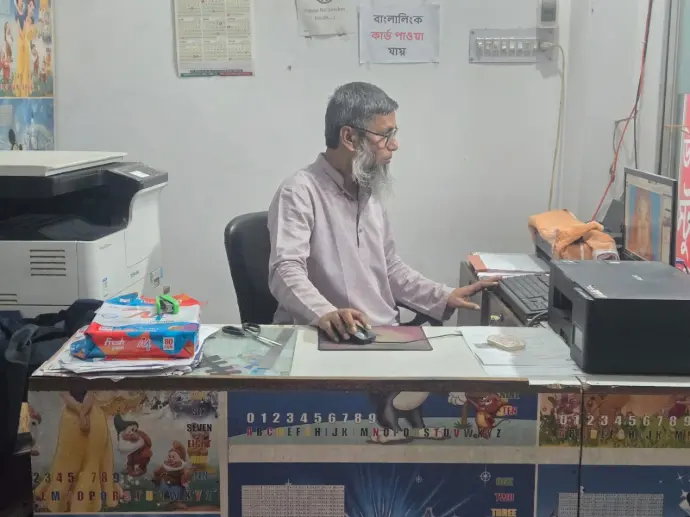
For Songjog Foundation, his path from a Basic Computer Operations course to a self-sufficient small business is a clear example of what practical, accessible digital skills training can do at any age: replace dependence with dignity, and a blank screen with a functioning business.